Updating location...
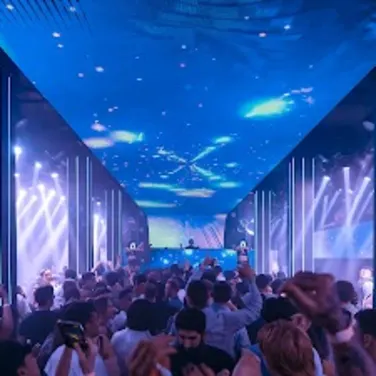
Picture of Temple Nightclub - SF

Temple Nightclub - SF

San Francisco, CA

Find a place to eat

Upcoming Events

NEAR YOU

OTHER VENUE EVENTS

Frequently Asked Questions

Why is Temple SF closing?
Temple SF is closing due to a combination of factors commonly affecting nightlife venues in San Francisco, including rising operational costs, shifting nightlife trends, and the ongoing impact of the pandemic on the hospitality industry. The decision to close this iconic club reflects broader challenges faced by many entertainment venues in the city, where real estate pressures and changing consumer preferences have made it increasingly difficult to sustain large-scale nightclubs. Temple Nightclub, renowned for its innovative design and world-class DJ bookings, has drawn a loyal following since its opening. However, despite its popularity, the financial realities and uncertainty surrounding the future of nightlife in San Francisco contributed to the difficult decision to close Temple SF's doors.
Who owns Temple Nightclub?
Temple Nightclub in San Francisco is owned by Paul Hemming. As a visionary entrepreneur, Hemming is also the founder of the Zen Compound, which previously housed Temple Nightclub along with other creative spaces like the sustainable restaurant Mirus Gallery and Eco-Systm co-working space. Hemming's focus has always been on merging cutting-edge nightlife with sustainability and immersive experiences. Under his leadership, Temple SF became one of the most popular and innovative nightclubs in the Bay Area, known for its state-of-the-art LED lighting, premier sound system, and top-tier talent bookings. The club's ownership has played a pivotal role in shaping the venue's unique identity within San Francisco's vibrant nightlife scene.
Where in SF was the People's Temple?
The People's Temple was located at 1859 Geary Boulevard in San Francisco, CA. This historic building was situated in the Western Addition neighborhood, close to the Fillmore District. The site served as the headquarters for Jim Jones and the People's Temple organization during the 1970s, before the infamous events in Jonestown, Guyana. Today, the original building no longer stands, but its location remains a significant part of the city's history. The People's Temple played a notable role in local activism and community outreach before the group's tragic end. When searching for historical points of interest in San Francisco, the former site of the People's Temple is often referenced due to its impact on the city's cultural and social landscape.
How strict is Temple SF dress code?
Temple SF enforces a moderately strict dress code to maintain its upscale, stylish atmosphere. Guests are encouraged to dress in fashionable clubwear or smart casual attire. Men should avoid baggy jeans, athletic wear, shorts, flip-flops, or sports hats, while women typically opt for chic dresses, tops, or trendy outfits. Athletic shoes, sandals, and overly casual clothing are generally not permitted. Security and door staff reserve the right to deny entry based on attire, so dressing up is highly recommended to ensure a smooth entry. Adhering to Temple SF's dress code not only enhances the overall experience but also aligns with the club's reputation as one of San Francisco's premier nightlife destinations.
How much is a table at Temple SF?
Table prices at Temple SF vary depending on the night, event, and table location within the club. Generally, bottle service tables start around $500 to $1,200 for standard sections, but premium locations or special events can see prices soar to $2,000 or more. Each table reservation typically includes entry for a set number of guests, premium bottles of liquor, mixers, and dedicated service. Booking a table provides VIP amenities such as expedited entry, prime seating, and the ability to enjoy the club's vibrant atmosphere from a reserved space. For the best rates and availability, it's recommended to book in advance, especially for weekends and headlining DJ performances.

Log in to Gigfomo