About
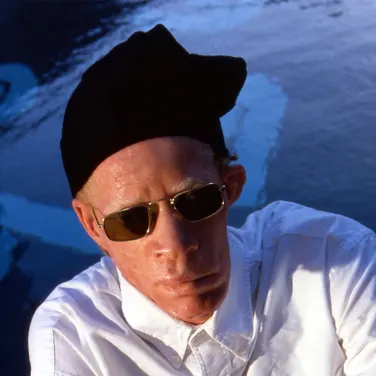
"King" Yellowman as he is known, is one of the most popular reggae artists to have come from Jamaica. Born as Winston Foster in 1959, in Kingston, Jamaica, he was also an alumnus of the Alpha Boy's school where many reggae artists and musicians got their early musical training. Yellowman, nicknamed for his albino appearance, got his start in the late 1970's as a young DJ (toaster or rapper). He built his early career around the fact that he was an albino, and his audiences accepted him for his self-effacing humor and lyrical cleverness. Read more on Last.fm
Genres
- dub
- reggae
- roots reggae
Frequently Asked Questions
- What has happened to Yellowman?
- Yellowman, born Winston Foster, remains a legendary figure in reggae music, renowned for his trailblazing contributions since the 1980s. Over the years, he has continued to perform and record, despite facing several personal and health-related challenges. In the 1980s, Yellowman was diagnosed with skin cancer, which led to multiple surgeries, including the removal of his jawbone. Despite these setbacks, his resilience and passion for music have kept him active in the industry. Yellowman's influence extends internationally, as he tours across the globe, bringing reggae music to new generations of fans. His longevity in the music scene is a testament to his enduring talent and charisma. Today, Yellowman is celebrated not only for his musical legacy but also for his advocacy in raising awareness about albinism and overcoming adversity. Fans can still catch him performing at major reggae festivals and live events, where his iconic voice and energetic stage presence continue to captivate audiences worldwide.
- What was Yellowman's biggest hit?
- Yellowman's biggest hit is widely considered to be "Zungguzungguguzungguzeng," released in 1982. This track not only solidified his status as a reggae superstar but also became one of the most sampled songs in hip-hop and dancehall music. The infectious rhythm, catchy hook, and Yellowman's unique vocal delivery made "Zungguzungguguzungguzeng" an instant classic. The song's success propelled Yellowman to international fame and helped shape the sound of dancehall music in the 1980s. Its influential beat and melody have been referenced and sampled by numerous artists, including KRS-One, Tupac Shakur, and Notorious B.I.G., highlighting its enduring impact on music beyond reggae. "Zungguzungguguzungguzeng" remains a staple in Yellowman's live performances and continues to be celebrated by reggae enthusiasts worldwide. For anyone wanting to experience the essence of classic dancehall reggae, this iconic hit is essential listening.
- What kind of music is Yellowman?
- Yellowman is best known for his contributions to reggae music, specifically the dancehall sub-genre. His style is characterized by energetic rhythms, witty lyrics, and charismatic delivery, making him a pioneer in transforming reggae's traditional sound into the more upbeat, party-centric style of dancehall. Yellowman's music often features themes of social commentary, humor, and bravado, delivered over catchy, syncopated beats that are perfect for dancing. He rose to prominence in the 1980s as one of the first dancehall deejays to achieve mainstream success, helping to popularize the genre both in Jamaica and internationally. Yellowman's innovative approach set the template for future generations of dancehall artists, blending reggae's roots with modern, urban influences. Whether performing classic reggae or high-energy dancehall tracks, Yellowman's music is distinguished by its infectious grooves, clever wordplay, and unmistakable voice, making him a true icon in the reggae and dancehall scene.
- What condition does Yellowman have?
- Yellowman was born with albinism, a genetic condition that results in little or no production of the pigment melanin, affecting the skin, hair, and eyes. Albinism can also cause vision problems and increased sensitivity to sunlight, making those with the condition more susceptible to skin issues, including cancer. Throughout his life, Yellowman has faced significant discrimination and social stigma in Jamaica due to his appearance, but he turned his differences into a source of strength and identity. In addition to albinism, Yellowman has battled serious health issues, including skin cancer, which required multiple surgeries and ongoing medical care. Despite these challenges, his resilience and determination have made him not only a musical legend but also an inspirational figure for people with albinism worldwide. Yellowman uses his platform to advocate for greater acceptance and understanding of albinism, proving that talent and perseverance can overcome even the most daunting obstacles.
- Why is he called Yellowman?
- Yellowman is called "Yellowman" due to his albinism, which gives his skin a lighter, yellowish appearance compared to the majority of people in Jamaica. The nickname was initially used as a form of mockery during his youth, but Yellowman embraced it and turned it into his stage name, rebranding what was once a source of ridicule into a symbol of pride and uniqueness. By adopting the name "Yellowman," he challenged societal prejudices and redefined what it means to be a star in the reggae and dancehall world. His choice of stage name not only brought visibility to people with albinism but also helped break down barriers in an industry and culture where such differences were often marginalized. Today, the name "Yellowman" stands as a testament to his resilience and his ability to transform adversity into empowerment, making him an inspirational figure both within and beyond the music community.