About
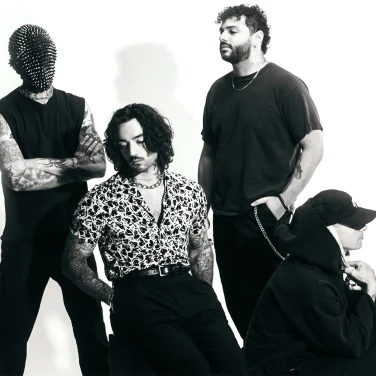
The band name The Dark currently refers to more than one artist; (1)The Dark formed in 1978 by Phil Langham (bass), Jim Kane (drums), John Flannagan (vocals) and Billy O'Neil (guitar). Original line-up rehearsed for some time, then early 1979 saw the joining of guitarist Andy Riff (ex-Rotting Klits/The Suspects and a former Menace roadie)- that is when everything started. The band rehearsed in The Mitre pub in Islington, London, and there they met Noel Martin, ex-Menace drummer, who offered to be their manager. Read more on Last.fm
Genres
- glam metal
- hard rock
Frequently Asked Questions
- Who is actually the dark one?
- The phrase "the dark one" can refer to different interpretations across various contexts, but in the realm of punk rock music, "The Dark" is a band known for its raw energy and powerful thematic messages. When fans ask, "Who is actually the dark one?" in relation to The Dark band, they are often referring metaphorically to the group's enigmatic frontperson or the collective persona the band projects on stage and through their music. The Dark channels the spirit of punk rebellion and the darker side of human emotion, using their music to give voice to those who feel misunderstood or marginalized. Their performances and lyrics are often driven by a sense of mystery, intensity, and defiance, embodying the essence of what it means to confront "the dark" within society and oneself. Ultimately, the "dark one" is not a single member, but the very spirit and attitude The Dark band embodies through their music and stage presence.
- Who is the real villain in Dark?
- The question "Who is the real villain in Dark?" may spark thoughts about antagonists in various narratives, but when it comes to the punk rock band The Dark, the concept of a "villain" takes on a more symbolic meaning. In the context of their music, The Dark often tackles themes of societal oppression, inner turmoil, and the struggles faced by the youth. Their lyrics and sound challenge authority, question societal norms, and shine a light on the figurative "villains" that exist within oppressive systems, mainstream expectations, or even the darker aspects of human nature. Rather than pointing to a singular villainous figure, The Dark uses their platform to critique broader societal issues, making the "villain" a metaphor for the forces that seek to stifle individuality and creative expression. Their music encourages listeners to confront these figurative villains, empowering fans to question and resist conformity.
- What is the story behind The Dark?
- The story behind The Dark is rooted in the vibrant punk rock scene that emerged in the late 1970s and early 1980s. Formed by a group of passionate musicians who sought an outlet for their frustrations and creative energy, The Dark quickly made a name for themselves with their high-octane performances and unapologetic lyrics. Drawing inspiration from both classic rock and the raw, rebellious sound of punk, the band crafted a unique style that resonated with fans looking for authenticity and emotional depth. The Dark's journey has been marked by a commitment to challenging the status quo, both musically and thematically. They have become known for their ability to blend hard-hitting instrumentals with socially conscious messages, tackling issues such as alienation, societal pressure, and personal freedom. Over the years, The Dark has built a loyal following, cementing their reputation as one of punk rock's most influential bands.
- Who exactly is Noah in Dark?
- While "Noah" is a character often associated with television series like "Dark," within the context of the punk rock band The Dark, there is no specific member named Noah who holds particular narrative or symbolic significance. If fans are searching for band members or personas within The Dark, the focus is usually on the collective identity rather than individual characters. The band thrives on group synergy, with each member contributing to their signature sound and rebellious image. However, if a member named Noah were part of the lineup, he would likely embody the same ethos of defiance, creativity, and authenticity that defines The Dark's music. Instead, the band emphasizes unity and collective expression, making their music a collaborative force that resonates with fans seeking a voice for their own experiences and struggles.
- What is the darkness' most popular song?
- The Dark's most popular song is widely considered to be "The Masque," a track that has become synonymous with the band's name and ethos within the punk rock community. "The Masque" captures the raw energy and social commentary that The Dark is known for, blending aggressive guitar riffs, driving percussion, and thought-provoking lyrics. The song explores themes of identity, societal expectations, and the masks people wear to navigate the world, striking a chord with listeners who relate to feelings of alienation or rebellion. "The Masque" is frequently featured in the band's live performances and has enjoyed substantial airplay on alternative and punk radio stations. Its enduring popularity is a testament to The Dark's influence on the genre and their ability to connect with audiences through powerful, resonant music. For fans seeking an entry point into The Dark's discography, "The Masque" is an essential listen.