About
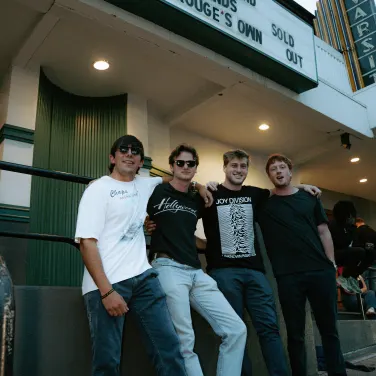
There are two bands named The Bends 1. Canada A band from St. Catharines who enjoy playing music that inspires everyone. They are currently going into Grade 12 at Laura Secord Secondary School. Winners of the 2011 Niagara Music Awards ‘Original Group of the Year’, The Bends are working towards being “the toppermost of the poppermost”. http://www.the-bends.com/ 2. Acoustic/Indie Rock 5 piece from Teesside delivering catchy choruses and uplifting melodies. Read more on Last.fm
Genres
No info to show.
Frequently Asked Questions
- Has anyone ever survived the bends?
- Yes, many people have survived the bends, also known as decompression sickness. The bends occurs when divers ascend too quickly, causing nitrogen bubbles to form in the bloodstream and tissues. With prompt medical attention, survival rates are high. Treatment typically involves administering 100% oxygen and using hyperbaric oxygen therapy, where the patient is placed in a pressurized chamber to help dissolve the bubbles and restore normal blood flow. The severity of the bends can vary, with symptoms ranging from joint pain and dizziness to more serious complications like paralysis or even death if untreated. Thanks to advancements in diving safety protocols and quick access to medical care, the prognosis for those affected has improved significantly. Education on proper ascent rates and dive planning has also contributed to better outcomes, making it possible for many individuals to recover fully from the bends.
- Why did Radiohead call it the bends?
- Radiohead named their second studio album "The Bends" after the medical condition decompression sickness, which is commonly experienced by divers who surface too quickly. The title serves as a metaphor for the pressures and intense changes the band experienced after the overwhelming success of their debut album, "Pablo Honey." Lead singer Thom Yorke explained that the term reflected feelings of anxiety, disorientation, and the challenge of adapting to sudden fame. The album explores themes of alienation, emotional turmoil, and the struggle to stay grounded amid rapid transitions
- Who is in the band the bends?
- The band "The Bends" is an alternative rock group composed of talented musicians, though the name is most famously associated with Radiohead's acclaimed 1995 album. However, there are tribute bands and independent acts named "The Bends" in various music scenes. Typically, these bands pay homage to Radiohead or draw inspiration from their signature alternative rock style. The lineup for each "The Bends" band may vary, but generally includes a lead vocalist, guitarists, a bassist, and a drummer to capture the layered, atmospheric sound characteristic of alternative rock. If you're searching for tickets to see a tribute band called "The Bends," check the event listing for specific member details, as personnel can differ between local groups. For official Radiohead performances, the band consists of Thom Yorke, Jonny Greenwood, Ed O'Brien, Colin Greenwood, and Phil Selway
- What happens if you get the bends?
- If you get the bends (decompression sickness), nitrogen bubbles form in your blood and tissues due to a rapid decrease in pressure, usually after scuba diving. Symptoms can appear within minutes to hours and range from mild to severe. Early signs include joint pain, muscle aches, dizziness, fatigue, and a skin rash. More serious cases can lead to difficulty breathing, chest pain, confusion, numbness, paralysis, or even loss of consciousness. Without prompt treatment, the bends can cause permanent damage to the nervous system, lungs, or other organs, and may be fatal in extreme cases. Immediate first aid includes breathing 100% oxygen and seeking emergency medical care. The definitive treatment is hyperbaric oxygen therapy, which uses a pressurized chamber to help dissolve nitrogen bubbles and restore normal circulation. Early intervention is critical to minimize complications and improve chances of full recovery.
- What was the largest audience concert ever recorded?
- The largest audience concert ever recorded was Rod Stewart's free New Year's Eve concert on Copacabana Beach in Rio de Janeiro, Brazil, in 1994. An estimated 3.5 million people attended the event, making it the highest-attended concert in history. The massive turnout was due in part to the concert's open-access, beachfront location and the festive New Year's Eve atmosphere, drawing locals and international tourists alike. Other notable large-scale concerts include Jean-Michel Jarre's Moscow performance in 1997, which attracted around 3.5 million people, and The Rolling Stones' 2006 Copacabana Beach show, with over 1.5 million attendees. These record-breaking events showcase the global appeal of live music and the power of iconic artists to unite enormous crowds for unforgettable experiences. For fans seeking legendary concert moments, these historic performances remain unmatched in scale and spectacle.