About
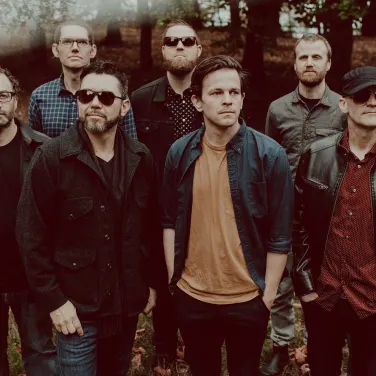
Founded in late 2010, Polyrhythmics was formed by Ben Bloom and Grant Schroff, who quickly gathered some of the most talented and highly sought-after performers in the North West to record an EP. Ben and Grant were coming from different musical communities, from within the NW. Previous to this point, Ben had been on a musical journey, performing and making 45’s with recording artist, arranger and composer Joel Ricci, aka Lucky Brown and his “West Sound Union”, and playing in various soul, funk, rock and R&B collectives in the NW. Read more on Last.fm
Genres
- instrumental funk
Frequently Asked Questions
- What is polyrhythmic in music?
- Polyrhythmic in music refers to the simultaneous use of two or more conflicting rhythms or meters, creating a layered rhythmic texture. This technique is a hallmark of various music genres, especially in African, Latin, jazz, and progressive rock music. For example, one instrument might play in a 3/4 time signature while another plays in 4/4, resulting in a complex, interwoven sound pattern. Polyrhythms can add energy, tension, and a sense of forward momentum to a piece of music. They are a fundamental aspect of many world music traditions and have influenced modern genres like R&B, hip-hop, and funk. Musicians employ polyrhythmic patterns to challenge listeners and performers alike, offering a dynamic listening experience. Whether in drumming, piano, or ensemble arrangements, polyrhythms showcase a musician's technical skill and creativity, making them an essential concept in advanced music theory and performance.
- Who are the polyrhythmics?
- The Polyrhythmics are a dynamic R&B and funk band known for their intricate grooves and powerful live performances. Hailing from Seattle, Washington, the group has gained a devoted following with their fusion of classic funk, soul, jazz, and Afrobeat influences. Formed in 2010, Polyrhythmics have released several albums that showcase their signature horn-driven sound and tight, infectious rhythms. Their musical style is characterized by polyrhythmic patterns that create complex, danceable textures, making their name a fitting reflection of their artistry. Over the years, Polyrhythmics have performed at major festivals and venues, earning a reputation for electrifying shows that get audiences moving. Their commitment to musicianship and innovation has made them stand out in the contemporary funk and R&B scene. If you're looking for a live music experience that blends groove, sophistication, and energy, catching a Polyrhythmics concert is a must for any music lover.
- What are the most common polyrhythms in music?
- The most common polyrhythms in music involve the layering of rhythms with different beat groupings, most notably the 3:2 polyrhythm. In a 3:2 polyrhythm, three notes are played in the same time span as two notes, commonly heard in African drumming, jazz, and classical music. Another popular example is the 4:3 polyrhythm, where four notes are played against three, creating a syncopated feel often used in progressive rock and funk. The 6:4 and 5:4 polyrhythms also appear in world music and experimental genres. These rhythmic patterns add complexity and drive to music, enhancing its emotional impact and depth. Drummers and percussionists often use polyrhythms to build tension or highlight certain passages in a song. While they can be challenging to master, polyrhythms offer musicians a creative way to push boundaries and engage audiences with intricate, memorable grooves.
- What is yallternative music?
- Yallternative music is a genre-blending movement that fuses elements of alternative rock with country and Americana, often incorporating themes of Southern culture, storytelling, and DIY ethos. The term "yallternative" combines "y'all,"
- What bands are polyrhythmic?
- Many bands across genres are celebrated for their polyrhythmic compositions, infusing their music with intricate rhythm structures. In the world of progressive rock and metal, bands like Tool and King Crimson are renowned for their complex polyrhythms, layering multiple time signatures in their music. Jazz legends such as The Dave Brubeck Quartet and Weather Report frequently explore polyrhythmic patterns in their compositions. Afrobeat pioneer Fela Kuti and his band are also known for using polyrhythmic grooves that reflect West African musical traditions. In funk and R&B, groups like Polyrhythmics stand out for their ability to weave sophisticated rhythms into their songs, making their live performances particularly engaging. Other notable bands incorporating polyrhythms include Meshuggah (metal), Snarky Puppy (fusion/jazz), and Talking Heads (new wave). These artists have pushed the boundaries of rhythm, inspiring musicians and captivating fans worldwide.