About
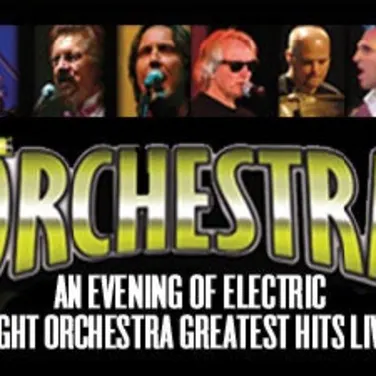
Please, put the correct artist name in your file's ID3 tags!!! Orchestra is a Czech alternative group from Sušice, which consists of two members: Martin Vlk (el. violin) and Jiří Plánička (drums). Their music is something between classical music and hardcore. Also from the UK: With a pedigree that stretches back over many years, with roots reaching to the 70's and 80's with Electric Light Orchestra, the 90's with ELO Part II and from 2001 to the present as The Orchestra Read more on Last.fm
Genres
No info to show.
Frequently Asked Questions
- What music is orchestra?
- What music is orchestra? Orchestra music typically refers to compositions performed by a large ensemble of musicians, known as an orchestra, which includes string, woodwind, brass, and percussion instruments. While orchestras are traditionally associated with classical music from composers like Beethoven, Mozart, and Tchaikovsky, the term has evolved. Today, orchestras also explore other genres, including rock and pop. In the context of rock and pop, an orchestra might collaborate with popular bands or artists, infusing contemporary hits with rich, layered arrangements that elevate the listening experience. This fusion genre is increasingly popular, bringing together the grandeur of orchestral music with the energy and appeal of modern rock and pop. Many rock bands, such as Metallica and Pink Floyd, have famously performed live with orchestras, creating iconic crossover performances. Whether performing a classical symphony or reimagining a chart-topping pop song, orchestral music is celebrated for its emotional depth, complexity, and the dynamic power of its large ensemble sound.
- What are the 4 types of orchestra?
- What are the 4 types of orchestra? The four main types of orchestra are symphony orchestra, chamber orchestra, string orchestra, and pops orchestra. A symphony orchestra is the largest, typically featuring over 70 musicians and encompassing all instrument families: strings, woodwinds, brass, and percussion. Chamber orchestras are smaller, usually consisting of 15-45 musicians, and are often tailored for more intimate performances and venues. String orchestras focus exclusively on string instruments such as violins, violas, cellos, and double basses, omitting woodwind, brass, and percussion sections. Pops orchestras are specialized ensembles that perform popular music genres, including rock, pop, jazz, and musical theatre, often collaborating with contemporary artists. Each type of orchestra offers a unique experience and repertoire, catering to different musical tastes and event settings. From classical masterpieces to modern rock and pop arrangements, these ensembles showcase the versatility and enduring appeal of orchestral music for audiences worldwide.
- What is the most famous orchestra piece?
- What is the most famous orchestra piece? One of the most famous orchestra pieces of all time is Ludwig van Beethoven's Symphony No. 9 in D minor, Op. 125, commonly known as the "Choral Symphony." This monumental work is celebrated for its innovative structure, emotional power, and the inclusion of a full choir in the final movement, which famously sets Friedrich Schiller's "Ode to Joy" to music. Symphony No. 9 is performed by orchestras around the globe and remains a symbol of unity, hope, and artistic achievement. Its memorable melodies and dramatic contrasts have cemented its status as a cultural icon, often featured in major world events, celebrations, and films. While Beethoven's Ninth is a classical masterpiece, other orchestral works like Tchaikovsky's "1812 Overture," Stravinsky's "The Rite of Spring," and Gershwin's "Rhapsody in Blue" are also highly renowned. These pieces showcase the orchestra's ability to evoke powerful emotions and leave a lasting impact on listeners of all musical backgrounds.
- What is a symphony vs. orchestra?
- What is a symphony vs. orchestra? A symphony and an orchestra are related but distinct musical terms. An orchestra refers to the large ensemble of musicians who play together, typically including sections of strings, woodwinds, brass, and percussion. Orchestras perform a wide range of music, from classical to contemporary genres like rock and pop. A symphony, on the other hand, is a specific type of musical composition, usually written for an orchestra. Traditionally, a symphony is a multi-movement work, often with four contrasting sections, composed to showcase the full range and power of the orchestra. In summary, the orchestra is the performing group, while a symphony is a major piece of music that the orchestra might perform. For example, Beethoven's Symphony No. 5 is a symphony, and it is performed by orchestras worldwide. Understanding this distinction helps music lovers appreciate the diverse repertoire and performance capabilities of orchestras across all genres.
- What is an orchestra called?
- What is an orchestra called? An orchestra is commonly referred to as a "symphony orchestra" when it includes a full complement of strings, woodwinds, brass, and percussion instruments, performing a broad range of music, from classical to contemporary genres like rock and pop. In some contexts, the term "philharmonic orchestra" is also used, with both names generally interchangeable, indicating a large ensemble dedicated to orchestral music. Smaller groups are known as "chamber orchestras," focusing on more intimate works. Depending on the repertoire or style, you might also encounter "pops orchestra," which specializes in popular, film, or crossover music, often collaborating with rock and pop artists for live performances. The naming conventions often reflect the group's size, repertoire, or organizational tradition, but all share the core definition of an ensemble bringing together various instruments to create a rich, dynamic musical experience. Whether called symphony, philharmonic, or chamber, orchestras remain central to musical culture worldwide.