About
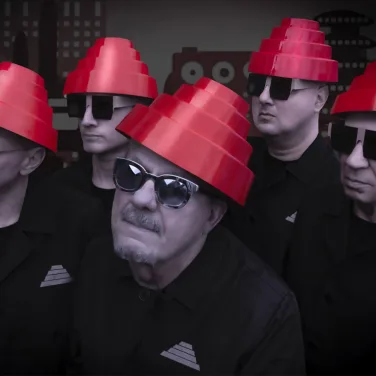
Devo are an American rock group formed in Akron, Ohio, United States in 1972. The band split in 1991 and returned in 1996. The band currently consists of Gerald Casale (vocals, bass), Mark Mothersbaugh (vocals, synthesizer), Bob Mothersbaugh (guitar) and Josh Freese (drums). Former members include Bob Casale (guitar, keyboards) (born July 14, 1952; died February 17, 2014) and Alan Myers (drums) (born 1955; died 2013). The band released their first album in 20 years, Something for Everybody on June 15, 2010. Read more on Last.fm
Genres
- clap and tap
Frequently Asked Questions
- What kind of music is Devo?
- Devo is a pioneering band known for their unique blend of rock and alternative rock, often categorized under the genre of new wave. Emerging in the 1970s, Devo's music is characterized by quirky, synthesized sounds, mechanical rhythms, and satirical lyrics that challenge societal norms. Their style fuses punk's rebellious energy with art-rock experimentation, resulting in a sound that's both catchy and thought-provoking. Devo's tracks often feature synthesizers, robotic vocals, and a futuristic aesthetic, making them stand out from traditional rock acts. Songs like "Whip It" and "Girl U Want" exemplify their idiosyncratic approach to music. As trailblazers of the alternative rock movement, Devo's influence can be seen in countless acts that followed, particularly in the realms of electronic and indie music. For fans searching for music that's as intellectually stimulating as it is danceable, Devo's catalog offers a distinctive and memorable experience that continues to resonate with listeners today.
- What did Mick Jagger think of Devo?
- Mick Jagger, the legendary frontman of The Rolling Stones, was notably impressed by Devo's originality and performance style. When Devo covered The Rolling Stones' classic "Satisfaction," they reimagined the song with their signature mechanical energy and deconstructed approach. Initially, Jagger was skeptical about anyone covering such an iconic track, but after witnessing Devo's performance, he was reportedly blown away. He even joined the band onstage during a rehearsal, mimicking their robotic dance moves and expressing his approval. Jagger's positive reaction helped legitimize Devo's innovative take on rock music and showcased their ability to win over even the most established figures in the industry. This endorsement from a rock legend like Mick Jagger not only boosted Devo's credibility but also highlighted their impact on the broader music landscape, as they successfully bridged the gap between classic rock and the emerging new wave scene.
- What happened to members of Devo?
- Over the decades, the members of Devo have pursued a variety of creative and personal ventures, both within and outside the band. Mark Mothersbaugh, Devo's co-founder and principal songwriter, became a prolific composer for film and television, scoring projects like "Rugrats," "The Royal Tenenbaums," and "Thor: Ragnarok." Gerald Casale continued his work in music and video production, occasionally releasing solo material and directing music videos. Sadly, some original members have passed away; Bob Casale died in 2014, and Alan Myers, the group's influential drummer, passed in 2013. Despite these losses, Devo has periodically reunited for tours, special performances, and festival appearances. The surviving members remain active in the music industry, and Devo's legacy endures through their innovative output and the ongoing influence they wield over alternative and electronic artists. Their story is one of artistic evolution, adaptation, and enduring cultural significance.
- What are Devo fans called?
- Devo fans are affectionately known as "Spuds." This nickname originated from the band's playful, satirical approach to fandom and their commentary on conformity and de-evolution. The term "Spud" reflects Devo's quirky, tongue-in-cheek humor and their celebration of the ordinary, often lampooning mainstream pop culture and societal expectations. Fans often embrace the band's visual trademarks, such as the iconic red "Energy Domes" (the band's signature hats), and participate in Devo-themed events, cosplay, and fan communities. The Spud community is known for its enthusiasm, creativity, and dedication to preserving Devo's unique cultural legacy. Whether attending live shows or engaging online, Spuds continue to celebrate the band's avant-garde music, satirical philosophy, and singular aesthetic. For those interested in joining a passionate and distinctive fanbase, becoming a Spud is a way to connect with like-minded enthusiasts who appreciate Devo's innovative spirit and offbeat humor.
- What is Devo known for?
- Devo is best known for their groundbreaking contributions to alternative rock and new wave music, as well as their unmistakable visual style. Their hit single "Whip It" became a cultural phenomenon in the early 1980s, propelled by its catchy melody and quirky music video featuring the iconic red Energy Dome hats. Devo's artistic identity is defined by their concept of "de-evolution," the satirical theory that instead of evolving, humanity is regressing