About
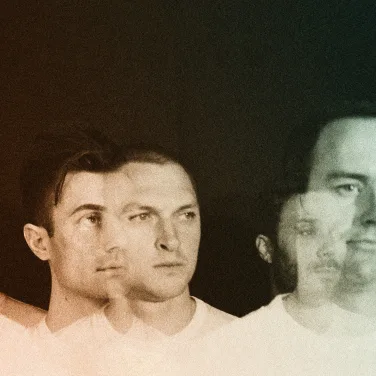
There are multiple artists with this name: 1) Ceremony is a hardcore punk band from Rohnert Park, California, formed in 2005. The band features Ross Farrar (vocals), Anthony Anzaldo (guitar), Justin Davis (bass), Andy Nelson (guitar), and Jake Casarotti (drums). In 2005, the band released the EP, Ruined on Malfunction Records. This release was followed by their critically acclaimed first full-length album, Violence Violence, which included a re-recorded version of the Ruined EP. Read more on Last.fm
Genres
- chaotic hardcore
- indie punk
- modern hardcore
Frequently Asked Questions
- What is ceremony music called?
- Ceremony music is typically referred to as "ceremonial music." In the context of the band Ceremony, which is a heavy metal group, their music is best described as heavy metal or metalcore, depending on the specific album or era. Ceremonial music in general encompasses any musical pieces performed during formal events such as weddings, graduations, or cultural rituals, and can range from classical to contemporary styles. For fans of the band Ceremony, their signature sound includes aggressive guitar riffs, powerful drumming, and emotionally charged vocals, making their music a popular choice for energetic and intense ceremonial events within the metal community. If you're interested in booking Ceremony for a live event or purchasing tickets to their shows, Gigfomo provides the latest updates and ticketing options for all their upcoming performances.
- What is the song called after the ceremony?
- The song played after a ceremony often depends on the type of event. In weddings, the song following the ceremony is known as the "recessional." This music is played as the newlyweds walk back down the aisle, marking the conclusion of the formal proceedings and the beginning of celebrations. Popular recessional songs range from classical pieces like Mendelssohn's "Wedding March"
- What music is played during an Olympic medal ceremony?
- During an Olympic medal ceremony, the music played is typically the national anthem of the gold medalist's country. As the winners stand on the podium, the anthem is performed while the flags of the medalists' countries are raised. This tradition is a central part of the Olympic Games, symbolizing national pride and the culmination of athletic achievement. Additionally, orchestral or specially composed ceremonial music may be played before and after the anthem to enhance the atmosphere. The Olympic Anthem, an official piece composed by Spyridon Samaras with lyrics by Kostis Palamas, is also occasionally featured during opening, closing, and medal ceremonies. This music evokes a sense of unity and celebration, resonating with audiences worldwide and providing a memorable experience for athletes and spectators alike.
- How much is ceremony music for a wedding?
- The cost of ceremony music for a wedding can vary widely based on factors such as location, type of musicians, and the duration of performance. On average, hiring a professional solo musician (such as a pianist, guitarist, or violinist) for a wedding ceremony can range from $200 to $500. If you prefer a small ensemble or string quartet, prices typically fall between $400 and $1,000. For couples seeking a full band or specialized performances, including heavy metal acts like Ceremony, costs may increase, potentially ranging from $1,500 to several thousand dollars depending on the band's popularity and travel requirements. When budgeting for wedding music, it's crucial to consider the artist's experience, equipment needs, and any additional fees. Booking through reputable platforms like Gigfomo ensures transparent pricing and access to top-tier musicians for your special day.
- Who is emo in ceremony?
- In the context of the band Ceremony, the term "emo" refers to their musical influences and evolution. Ceremony started as a hardcore punk band but has incorporated various styles over the years, including elements of emo, post-punk, and goth. While none of the individual band members are labeled strictly as "emo," their music, particularly on albums like "L-Shaped Man," explores themes of emotional vulnerability, introspection, and existential angst