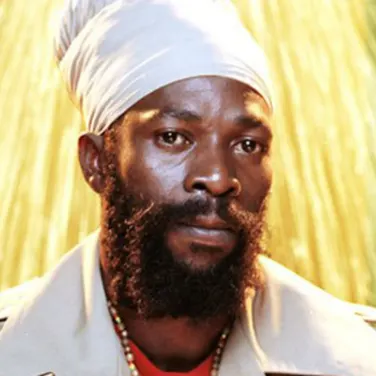
About
King Shango, King David, The Fireman and The Prophet. A wise man once said that a prophet is not without honour save in his own country and so it has been with Capleton. While the veteran DJ's words and works long ago earned him the title of "The Prophet", the respect and honor that should rightfully be his have been a long time coming. "Anytime you try to uplift righteousness and upliftment of the people them, then you ah go get a fight", says the hottest entertainer in the worldwide reggae fraternity. Read more on Last.fm
Genres
- dancehall
- lovers rock
- reggae
- roots reggae
Frequently Asked Questions
- What kind of music is Capleton?
- Capleton is renowned for his influential contributions to reggae music, particularly within the reggae and dancehall sub-genres. As a Jamaican artist, Capleton's music is characterized by its powerful rhythms, conscious lyrics, and deep roots in Rastafarian spirituality. His sound blends traditional reggae's laid-back grooves with the energetic beats of dancehall, making his performances and recordings both uplifting and socially relevant. Capleton's songs often address themes like social justice, spirituality, and the challenges faced by the African diaspora. Known as "The Prophet,"
- What Jamaican music is not reggae?
- While reggae is perhaps Jamaica's most globally recognized music genre, the island's rich musical heritage includes several other distinctive styles. Some popular Jamaican music genres that are not reggae include dancehall, ska, rocksteady, mento, dub, and lovers rock. Ska, which emerged in the late 1950s, is an upbeat, brass-driven sound that predated reggae. Rocksteady, developed in the mid-1960s, features slower rhythms and soulful melodies and is considered a bridge between ska and reggae. Dancehall, which rose to prominence in the late 1970s and 1980s, is characterized by faster tempos, digital instrumentation, and energetic performances. Mento, Jamaica's original folk music style, incorporates acoustic instruments and humorous lyrics. Dub, a sub-genre of reggae, emphasizes instrumental remixes and heavy use of echo and reverb. Each of these genres contributes to Jamaica's vibrant cultural landscape and continues to influence music worldwide, offering a variety of sounds beyond traditional reggae.
- What is reggae artist Capleton's net worth?
- As of 2024, Capleton's net worth is estimated to be between $1 million and $2 million. This iconic Jamaican reggae and dancehall artist, whose real name is Clifton George Bailey III, has built his wealth through a prolific music career spanning several decades. Capleton's income streams include album sales, digital downloads, live concert performances, and appearances at major reggae festivals worldwide. He is also known for his entrepreneurial ventures and collaborations with other top reggae and dancehall artists. In addition to his music, Capleton is deeply involved in charitable activities and community work in Jamaica, which has further cemented his status as a respected figure in the industry. While exact financial figures can vary due to private earnings and business ventures, Capleton's enduring popularity and influential catalog ensure that he remains one of the most successful and respected artists in the reggae genre today.
- What was the very first reggae song?
- The song widely recognized as the very first reggae song is "Do the Reggay"
- Is Capleton a Rastafarian?
- Yes, Capleton is a devoted Rastafarian, and his spiritual beliefs are central to both his life and music. Rastafarianism, a religious and cultural movement that originated in Jamaica in the 1930s, profoundly influences Capleton's lyrical themes and public persona. His songs consistently reflect Rastafarian values, such as the reverence for Jah (God), the promotion of peace and unity, and the call for social justice and equality. Capleton's signature dreadlocks, his frequent use of Rastafarian phrases, and his advocacy for ital (natural and pure) living further demonstrate his commitment to the faith. He often incorporates references to Haile Selassie I, the former Emperor of Ethiopia and a central figure in Rastafarianism, in his music. Capleton's role as a cultural ambassador and spiritual leader within the reggae and dancehall communities has earned him the nickname "The Prophet,"